

How Do Assisted Living Communities Shape Social Connections?
Assisted living environments are uniquely designed to help residents connect with others in a way that often isn't possible when living alone. In places like Conshohocken, PA, the structure of these communities combines comfortable accommodations with opportunities for shared experiences. This supportive framework naturally brings people together, fostering regular, meaningful interaction among neighbors who share similar life stages and interests. This sense of community is especially valuable in a city where winters can be long, and getting out to social gatherings may be harder without assistance.
Instead of the isolation sometimes reported by older adults who live independently, assisted living residents are immersed in an environment where social activity is built into daily life—whether during shared meals, group events, or simply encountering friendly faces in hallways or on garden paths.
What Types of Social Opportunities Are Common in Assisted Living?
Residents of assisted living facilities have access to a variety of social opportunities tailored to a range of preferences and abilities. These options are designed to be more accessible and routine than what many find on their own. Common examples include:
- Group meals in communal dining spaces, where conversation is part of the experience.
- Hobby clubs—such as gardening, book discussions, card games, and crafting—offering chances to bond over shared interests.
- Exercise sessions tailored to older adults, which may include walking groups or seated yoga, letting residents improve health while interacting.
- Seasonal celebrations, movie nights, and game afternoons that reflect local holidays and traditions, promoting a sense of belonging.
- Outings to local parks, museums, and community events, letting residents stay connected with their wider environment.
For the many who find winter weather in the area challenging, simply having warm, indoor gathering places makes spontaneous socialization much easier.
Why Is Social Connection So Important for Residents?
Strong social ties are a key part of well-being at any age. For older adults, regular interaction can help reduce feelings of loneliness, which are linked to physical and emotional health concerns. In an assisted living setting, having regular, low-pressure opportunities to talk, share meals, or work on projects side by side can:
- Decrease the risk of depression and anxiety.
- Support cognitive health by giving the brain regular exercise through conversations and activities.
- Encourage physical movement, even if that means just walking to a group event or dining table.
- Foster a sense of identity and self-worth, as every person is valued as part of the group.
Because staff and residents often get to know each other well, individuals are less likely to slip through the cracks or feel invisible.
Are Social Activities Optional or Required?
Residents always have the freedom to choose their level of involvement. Participation in social events is entirely voluntary, recognizing that everyone has different energy levels and social preferences. For some, joining a group every afternoon is invigorating; for others, a quiet cup of coffee with one or two friends feels just right.
Carefully designed schedules often make it easy for more private individuals to participate only when they wish, without pressure. This flexibility helps ensure that social connection feels supportive, not forced.
How Are Activities Adapted for Diverse Abilities and Interests?
One misconception is that activities might be one-size-fits-all. In reality, well-run assisted living communities intentionally offer a range of activities suited to varying mobility levels, memory needs, and interests. For example:
- Gentle movement classes for different physical abilities.
- Quiet reading spaces or art workshops for those who prefer less active gatherings.
- Memory-friendly activities useful for residents with cognitive changes, such as music sessions or reminiscence groups.
- Opportunities for residents to suggest new clubs or outings based on their own backgrounds.
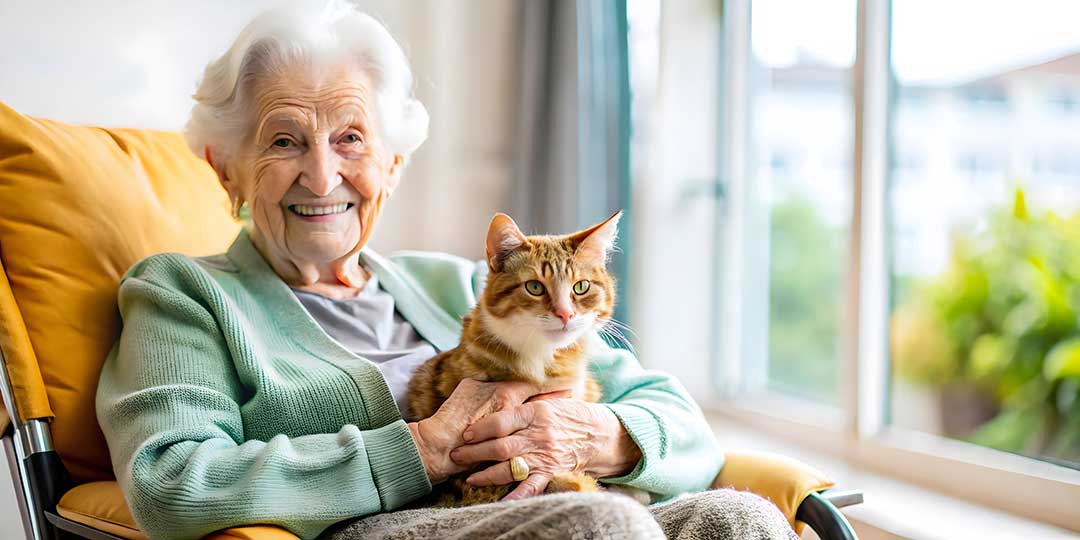
By considering individual needs, social connection remains accessible to all, not just the most extroverted or physically able.
How Do Shared Spaces Encourage Friendship?
The physical layout of assisted living communities is designed with social life in mind. In multifamily buildings common in population-dense parts of Conshohocken, communal areas like libraries, lounges, and courtyards are carefully integrated with private living spaces. This provides daily opportunities for spontaneous interaction without sacrificing privacy.
A resident may meet a neighbor during a morning stroll in a garden, strike up conversation in an activity room, or share a cup of tea in a sunroom overlooking landscaped grounds. These small, informal interactions are often where lasting friendships begin.
Can Family and Outside Friends Still Visit?
Assisted living does not mean being cut off from friends and family outside the residence. Most communities have flexible policies to welcome visitors, often encouraging intergenerational activities and providing private or shared areas for family gatherings. This means residents can strengthen both new and existing relationships—balancing tradition with new opportunities.
During winter and periods of restricted mobility, having a safe and accessible space for loved ones to visit can reduce stress and maintain important bonds.
What If Someone Prefers Limited Social Interaction?
Personal preferences around solitude or smaller social circles are respected. Assisted living staff are trained to recognize each resident’s unique needs. Introverted residents are supported to engage on their terms, with understanding and empathy. Access to cozy nooks, in-room dining options, and one-on-one support ensures no one is obligated to join group activities they do not enjoy.
For many, simply having friendly staff nearby and knowing neighbors are just down the hall offers security and comfort—even if they prefer less frequent interaction.
How Do Local Factors Shape Community Life?
In a city with a mix of seasonal weather and a variety of residential housing options, being able to engage in year-round social activities is particularly important. Assisted living provides climate-controlled venues that bring neighbors together regardless of rain, snow, or heat. With many local households made up of singles or couples, assisted living also offers a valuable antidote to the potential isolation of urban living.
The blend of private apartments and shared public spaces reflects the needs of area residents and the realities of regionally dense communities.
